March 30, 2026
In the construction and home improvement sector, the durability of roofing installations stands paramount in providing the safety and longevity of homes. A strong roof shields the building from environmental hazards while reducing energy costs and increasing property value. The professional roofing contractor plays a crucial role in achieving optimal roof performance. Selections ranging from material choice to installation techniques have long-lasting effects on the roof's durability. This article delves into the methods and practices that roofing contractors should embrace to provide stronger and longer-lasting roof installations.
Understanding Quality Materials
The vast array of roofing materials available today each offers unique benefits, catering to varying aesthetic preferences and environmental demands. Asphalt shingles are popular due to their affordability and versatility, often comprising fiberglass, which enhances their durability. Metal roofing is praised for its longevity and energy efficiency, making it an excellent choice for sustainable building practices. Tile roofing, crafted from clay or concrete, offers unparalleled beauty and endurance, effectively withstanding harsh weather conditions. Understanding these options helps roofing contractors guide homeowners in making informed decisions based on climate, maintenance, and budget.
Assessing Material Longevity and Durability
The lifespan and performance of roofing materials are contingent on environmental factors and intrinsic durability. According to the Roofers Guild, asphalt shingles remain the most popular choice in the country, with approximately 90% of these shingles incorporating a fiberglass base for added strength. Metal roofs can offer resilience against adverse weather and fire. Tiles provide durability unmatched by other materials, with the potential to last a long period of time when properly maintained. By evaluating these durability aspects, contractors can tailor roofing solutions that meet long-term needs.
Evaluating Material Choice on Roof Strength
Material choice directly influences the overall strength and functionality of a roof, affecting factors such as weather resistance and thermal efficiency. For instance, while asphalt shingles are cost-effective, their durability can vary greatly depending on the quality and type of shingle used. Metal roofing stands out with its impressive strength-to-weight ratio, offering high wind and impact resistance. Tiles, while heavy and requiring sturdy structural support, provide excellent thermal mass, keeping homes cooler in hot climates. Contractors must balance cost, performance, and structural compatibility when selecting materials.
Implementing Advanced Installation Techniques
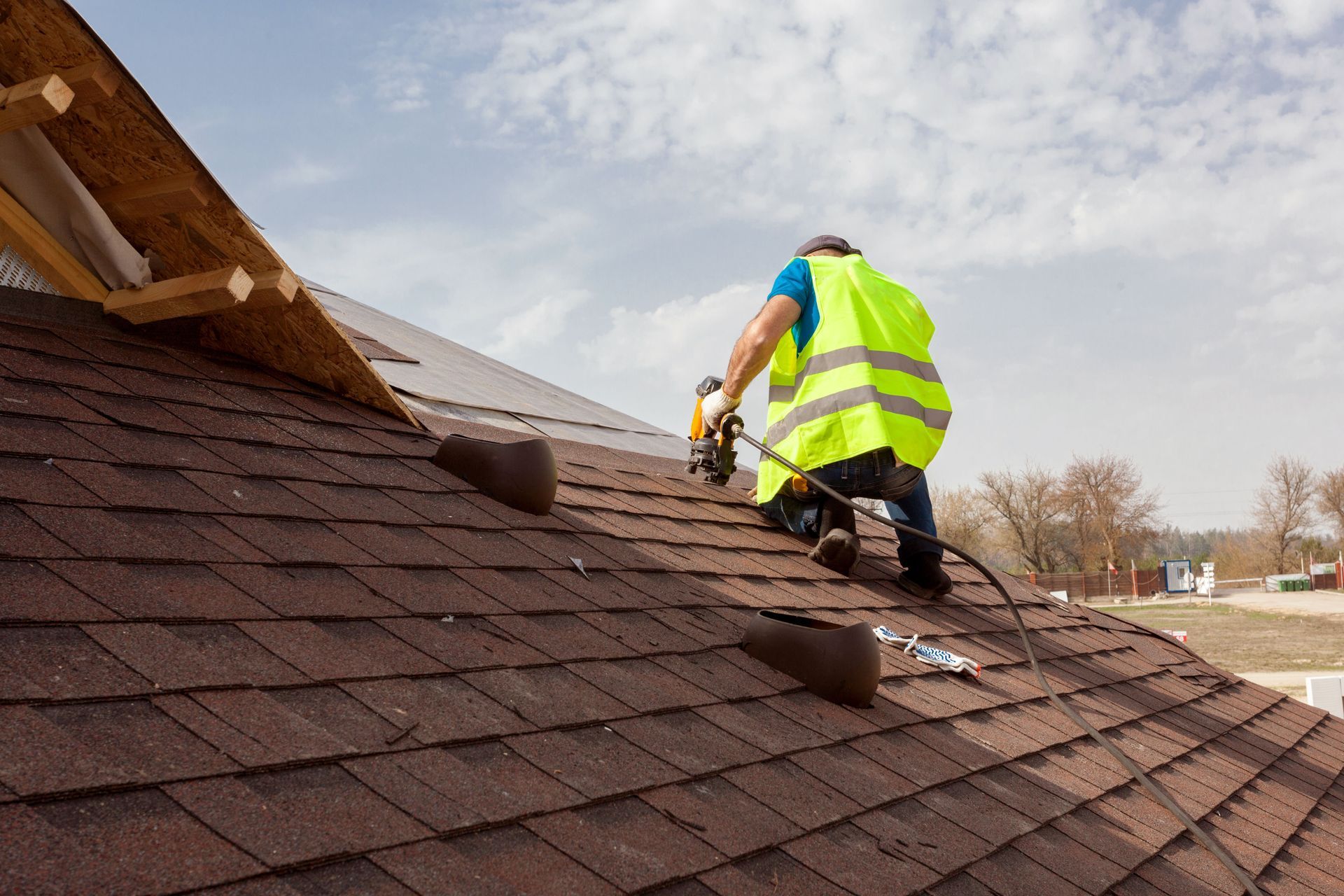
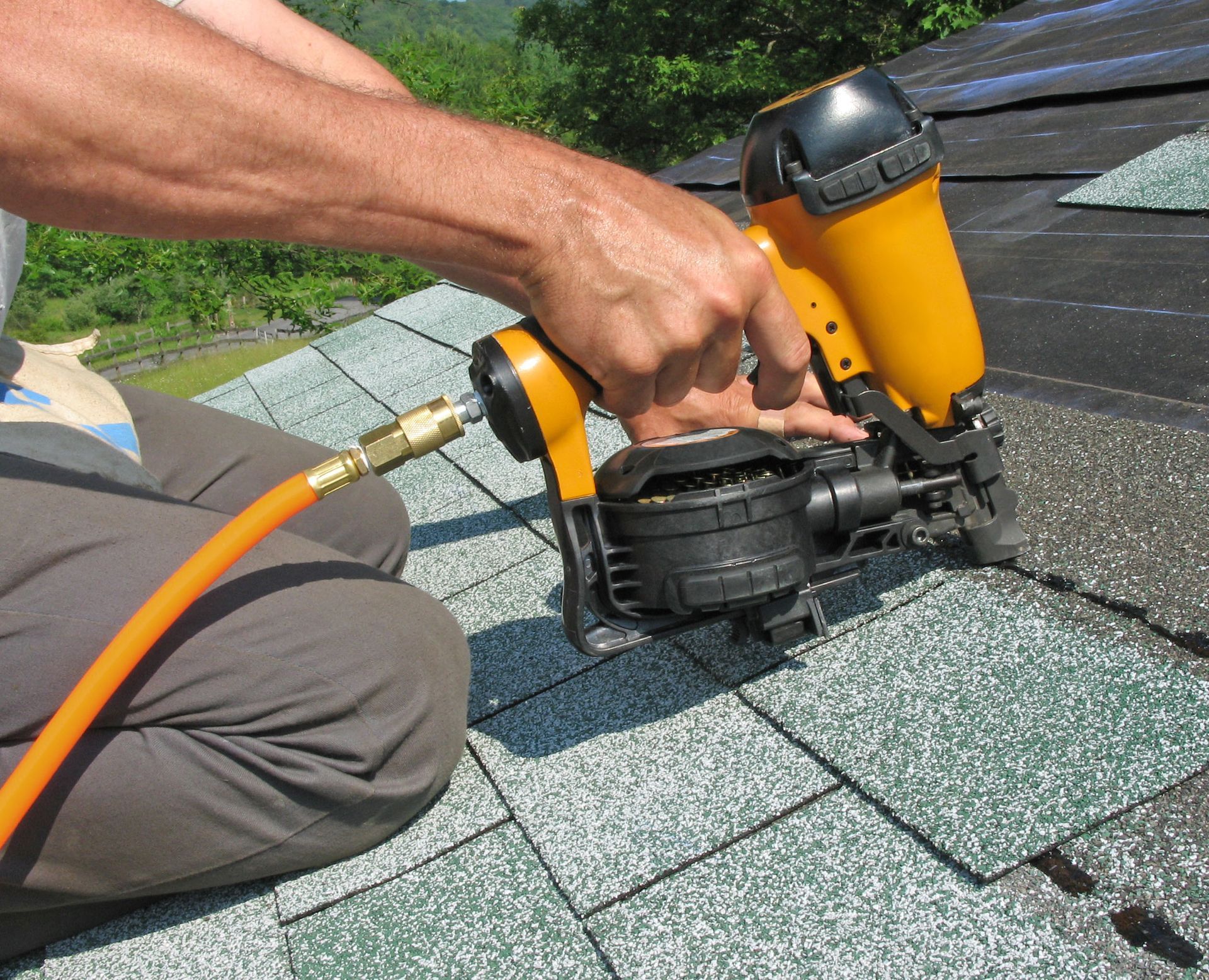
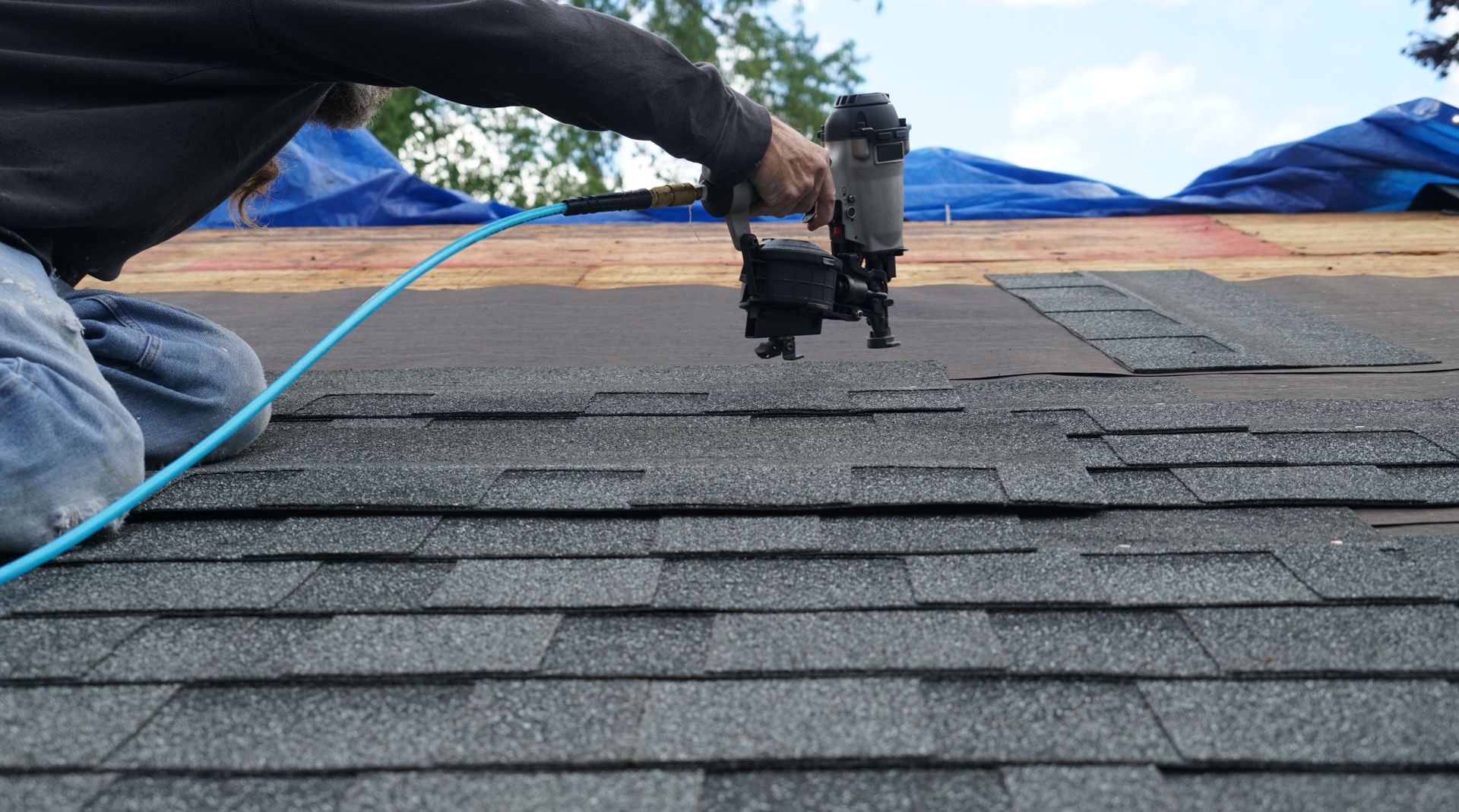
The integration of modern tools and equipment in roofing not only enhances precision but also streamlines the installation process. Technological advancements, such as pneumatic nail guns and cutting-edge measuring devices, have revolutionized how roofs are installed. These tools provide contractors with the ability to execute installations that are both efficient and meticulous. Enhanced safety features in modern equipment further mitigate risks, protecting workers during complex installation processes.
Adopting Industry Best Practices
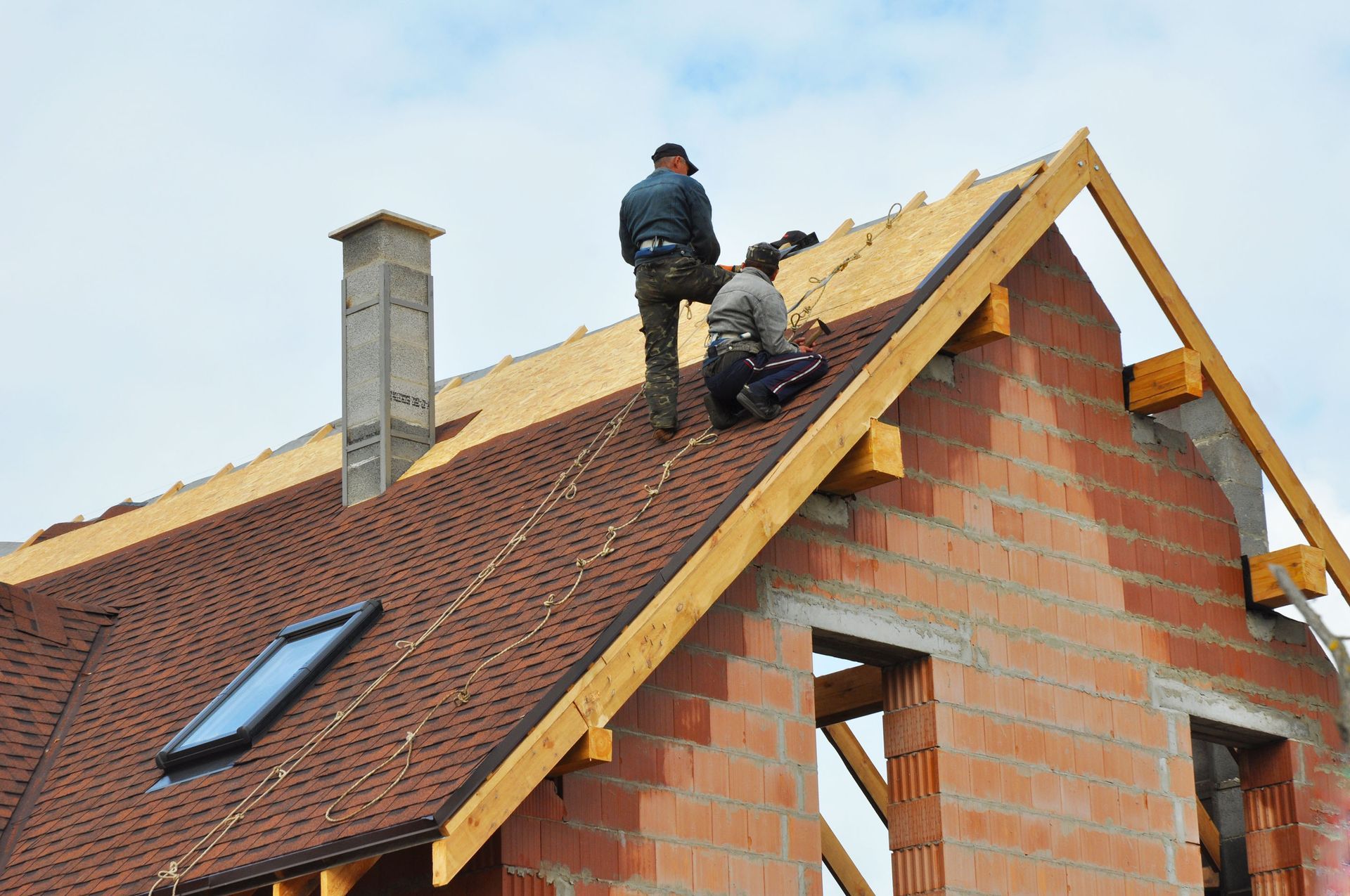
Adherence to industry best practices is essential to the success of any roofing installation project. Standardized methodologies guide contractors in maintaining quality and helping with structural integrity. Best practices encompass elements such as precise measurement, proper material layering, and strategic placement of underlayment and fasteners. These protocols, when diligently followed, significantly reduce installation errors, thereby extending the roof's longevity. Embracing these practices demonstrates professionalism and commitment to quality.
Training and Certification of Contractors
The importance of having skilled professionals conduct roof installations cannot be overstated. Certification programs offer contractors comprehensive training in modern techniques and safety standards, providing high-quality workmanship. Skilled roofing contractors are adept at identifying potential issues and implementing solutions that novice installers might overlook. Certifications serve as a testament to a contractor's expertise and reliability, offering peace of mind to clients.
Providing Proper Roof Ventilation
Effective roof ventilation plays a significant role in maintaining the structural health and longevity of a roof. Adequate airflow prevents moisture accumulation, which can lead to decay and structural compromise over time. Ventilation systems mitigate heat build-up in attic spaces, which not only extends the life of the roof materials but also improves energy efficiency. A well-ventilated roof also reduces the risk of ice dams in colder climates, which can cause significant damage.
Selecting Types of Ventilation Systems
A variety of ventilation systems are available to suit different roofing designs and client needs. Ridge vents are commonly used due to their unobtrusive placement at the roof's peak, facilitating optimal airflow along the entire roofline. Soffit vents work in tandem with ridge vents, drawing in cooler air from the eaves to push warmer air out through the peak. Turbine vents, often wind-driven, provide effective ventilation for larger spaces or roofs subjected to high heat exposure.
Recognizing Signs of Poor Ventilation
Signs of inadequate roof ventilation manifest in several ways, often impacting the home's structural health and occupant comfort. Symptoms include excessive humidity in attic spaces, elevated energy costs, or noticeable temperature fluctuations within the home. Poor ventilation can result in increased susceptibility to mold and mildew due to trapped moisture. Structural components may weaken, reducing the roof's overall lifespan and leading to costly repairs. Recognizing these warning signs early allows for corrective action.
Prioritizing Regular Maintenance and Inspection
Scheduled inspections are vital in preserving the health and extending the life of a roof. Regular evaluations by experienced professionals can identify minor issues before they escalate into costly repairs. This proactive approach helps with longevity as contractors can implement preventive measures based on seasonal requirements and observed wear patterns. By documenting inspection findings, roofing contractors provide homeowners with transparency and assurance in maintaining their assets.
Executing Common Maintenance Tasks
Certain maintenance tasks are universally beneficial in maintaining roofing integrity and appearance. Regular gutter cleaning prevents water backup and resultant rot around the roof edges. Replacing missing or damaged shingles swiftly helps mitigate water infiltration and subsequent structural damage. Removing debris, such as leaves or branches, avoids potential risks of mold or algae growth affecting the roofing materials. These tasks are foundational in upholding the roof's protective capabilities.
Identifying Warning Signs of Damage
Contractors should guide homeowners in recognizing early warning signs of roofing damage. Typical indicators include water staining on ceilings, suggesting potential leaks, and an increase in energy bills, signaling possible insulation or ventilation failures. Discovering granules from asphalt shingles in gutters points to advanced material wear. Noticeable sagging or roof misshaping may indicate structural weaknesses, necessitating immediate evaluation by professionals.
Adapting to Climate and Environmental Factors
Awareness of local climate characteristics significantly influences roofing material and design decisions. Roofing contractors must research and understand patterns of high winds, precipitation, and temperature fluctuations to tailor optimal roofing solutions. For example, selecting materials with high-impact resistance is imperative in hail-prone areas, while homes in arid regions might benefit from materials that withstand prolonged sun exposure. Local climate understanding directs custom solutions, helping roofs withstand environmental stressors.
Controlling Mold and Moisture
Mold and moisture present persistent threats to roof longevity, necessitating strategic countermeasures in installation and maintenance. Proper ventilation and drainage systems play pivotal roles in directing moisture away from vulnerable areas. Utilizing moisture-resistant materials, such as modifications in shingle formulations or employing treated wood, prevents mold proliferation. Routine inspections and vent cleanings are crucial for identifying and correcting moisture entry points before they lead to structural damage.
Implementing Warranty and Insurance Plans
Contractors must navigate a variety of warranty options available to clients, each serving a distinct purpose in safeguarding roofing investments. Basic options include manufacturer warranties on materials, commonly covering defects or issues related to manufacturing processes. Professional labor warranties provide craftsmanship quality, providing coverage for repair costs for workmanship problems. Extended warranties offer wider protection, encompassing both materials and labor under comprehensive coverage terms.
Managing Claims and Coverage
Roofing contractors should guide homeowners through insurance claim processes, simplifying the often-complicated mechanisms involved. Accurate and timely documentation of roofing problems empowers successful claims submission and resolution. Understanding policy fine print provides comprehensive knowledge of covered circumstances and exclusions, enabling effective claim negotiation. Working closely with insurers facilitates smoother adjustments and expedites coverage receipt for repairs or replacements.
The roofing industry demands an emphasis on quality, innovation, and responsibility to provide successful installations. From selecting top-tier materials and modern techniques to maintaining stringent safety and environmental standards, contractors guide homeowners towards stronger, longer-lasting roofing investments. As professionals continue to adapt and incorporate new technologies and methods, the scope for delivering higher-quality roofing systems will undoubtedly expand.
If you are looking for a roof that provides ultimate protection for your home, look no further. Contact Roof Tech Solutions, LLC today to speak with professional roofing contractors and receive a high-quality installation tailored to your specific needs.