May 1, 2026
A well-designed roof is one of the most important investments a homeowner can make. It protects the structure from weather, contributes to energy efficiency, and plays a major role in curb appeal. While many people focus on short-term fixes or basic materials, modern innovation has introduced long-lasting solutions that redefine what durability means in home construction. Today’s advanced approaches to roofing go far beyond traditional expectations, offering resilience, sustainability, and long-term value that can last for decades when properly installed and maintained.
As homeowners look for ways to reduce maintenance costs and improve performance, the demand for smarter materials and design strategies continues to grow. Innovative roofing methods are no longer limited to commercial projects or high-end homes. They are becoming more accessible, practical, and widely adopted across residential construction. Understanding these forward-thinking ideas can help homeowners make better decisions that stand the test of time.
Exploring Durable Materials That Withstand Harsh Conditions
One of the most important factors in long-lasting roofing is the choice of materials. Traditional options have served homeowners for many years, but newer materials are engineered to perform better under extreme conditions. These advanced materials are designed to resist wind, moisture, heat, and environmental wear, making them a strong foundation for long-term performance.
Metal-based systems, synthetic composites, and reinforced architectural designs have all contributed to the evolution of modern roofing. These materials often outperform older alternatives in terms of longevity and structural integrity. Homeowners who invest in high-quality materials typically experience fewer repairs and less frequent replacements.
According to the Metal Roofing Alliance, metal roofing now represents roughly 17% of the residential roofing market, reflecting growing demand for durability and energy efficiency.
This shift highlights a broader trend in the construction industry. More homeowners are prioritizing solutions that offer long-term reliability over short-term savings. As a result, roofing innovation continues to focus on materials that balance strength with efficiency.
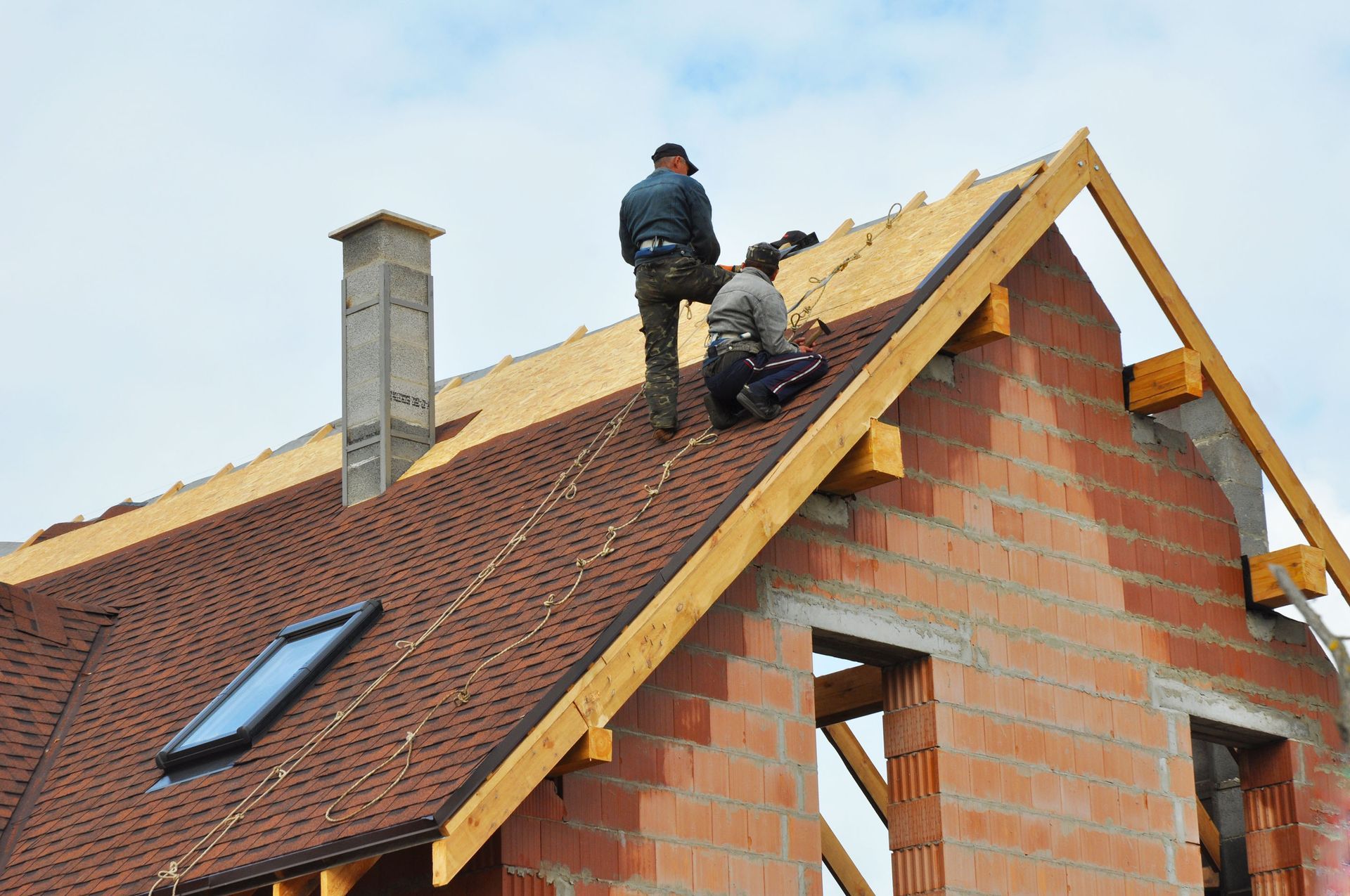
Proper installation is just as important as material selection. Even the most advanced systems can fail if not installed correctly. Experienced professionals ensure that each component is properly secured and sealed, reducing the risk of future issues. This combination of quality materials and expert installation creates a foundation for roofing systems that last for decades.
Enhancing Energy Efficiency Through Smart Design
Energy efficiency has become a central consideration in modern home design. Roofing plays a critical role in regulating indoor temperatures and reducing energy consumption. Innovative roofing systems are now designed to reflect heat, improve insulation, and support better airflow.
Reflective surfaces and specialized coatings help reduce heat absorption during warmer conditions. This minimizes strain on cooling systems and helps maintain more consistent indoor temperatures. Over time, these improvements can contribute to lower energy usage and increased comfort.
Proper insulation beneath the roofing layer is equally important. It helps prevent heat loss during colder conditions and reduces energy demands throughout the year. When combined with efficient materials, insulation creates a balanced system that supports long-term performance.
Ventilation is another key component of energy-efficient roofing. Without proper airflow, heat and moisture can build up within the structure, leading to damage and inefficiency. Modern roofing designs incorporate ventilation systems that help regulate temperature and moisture levels naturally.
By focusing on energy efficiency, homeowners not only reduce utility costs but also extend the lifespan of their roofing systems. Less thermal stress means fewer structural issues over time, contributing to greater durability.
Improving Weather Resistance With Advanced Engineering
Weather resistance is one of the most critical aspects of long-lasting roofing. Homes are constantly exposed to changing conditions, including heavy rain, strong winds, snow, and intense sunlight. Innovative roofing systems are engineered to withstand these challenges without compromising structural integrity.
Modern fastening systems and interlocking designs help secure materials more effectively than traditional methods. This reduces the likelihood of damage during severe weather events. Enhanced sealing techniques also prevent water infiltration, which is one of the most common causes of roof deterioration.
Drainage design plays a significant role in weather resistance. Efficient water flow prevents pooling, which can lead to leaks and structural weakening. Proper slope and channeling ensure that moisture is directed away from the home effectively.
Wind resistance is another important factor. Advanced roofing systems are tested to withstand strong gusts by reinforcing attachment points and improving material flexibility. This reduces the risk of uplift and structural damage during storms.
These engineering improvements contribute to a roofing system that performs reliably under a wide range of environmental conditions. Homeowners benefit from fewer repairs and greater peace of mind during extreme weather events.
Extending Lifespan Through Preventive Maintenance Strategies
Even the most advanced roofing systems require regular maintenance to achieve maximum lifespan. Preventive care helps identify minor issues before they develop into major problems. This proactive approach is essential for preserving long-term performance.
Routine inspections allow homeowners to detect early signs of wear, such as loose materials, small leaks, or debris buildup. Addressing these issues quickly prevents further damage and reduces repair costs over time.
Cleaning is also an important part of maintenance. Removing leaves, branches, and other debris helps maintain proper drainage and prevents moisture accumulation. This simple step can significantly extend the life of a roofing system.
Sealants and protective coatings may need periodic reapplication to maintain effectiveness. These treatments help reinforce the roof’s resistance to water and environmental exposure. When maintained properly, they contribute to long-lasting performance.
Strengthening Structural Integrity With Modern Installation Techniques
Installation quality has a direct impact on how long a roofing system will last. Even the most advanced materials can fail if not installed properly. Modern installation techniques focus on precision, alignment, and secure attachment to ensure long-term stability.
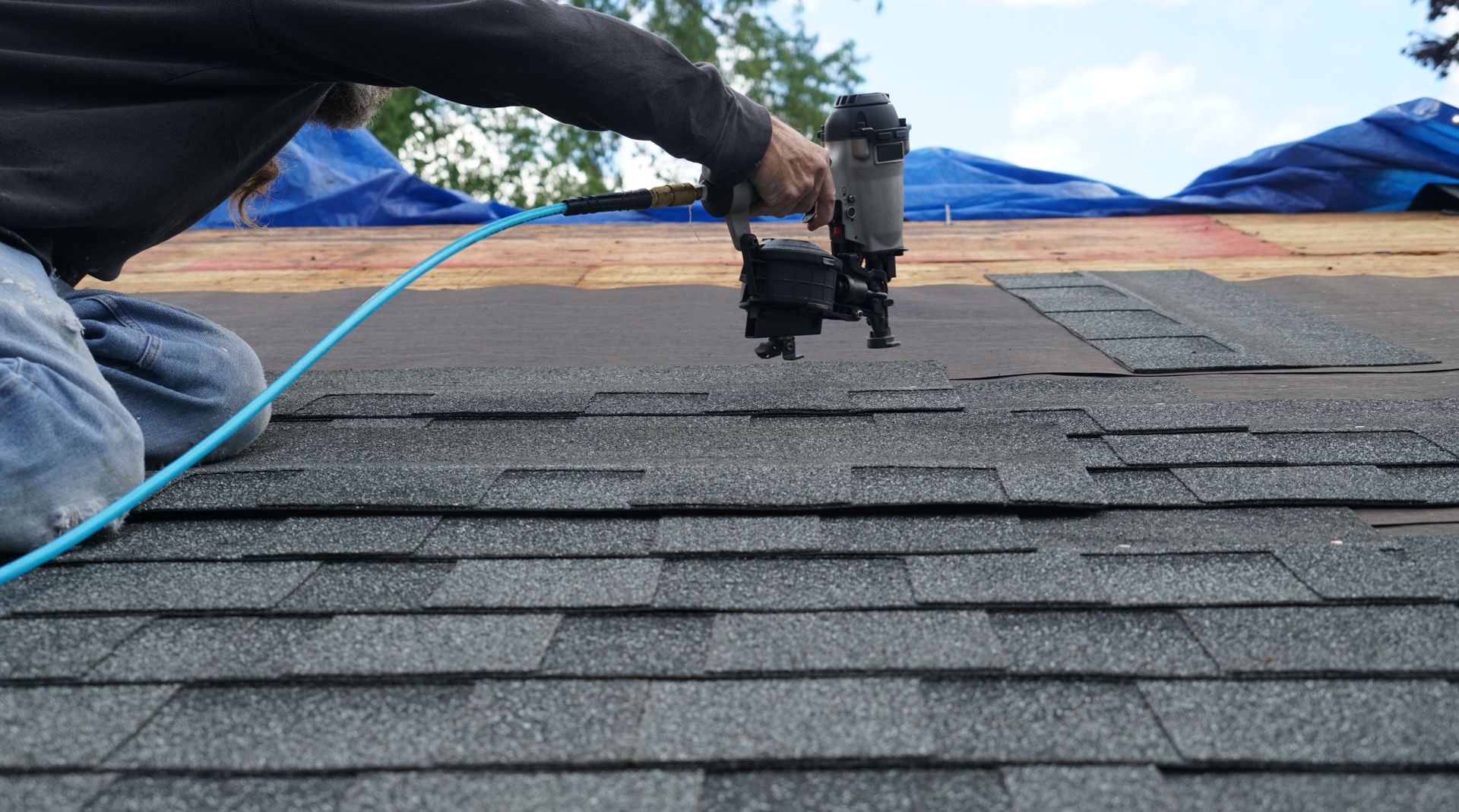
Proper underlayment installation is essential for creating a protective barrier beneath the visible roofing surface. This layer helps prevent moisture penetration and adds an extra level of protection against environmental stress.
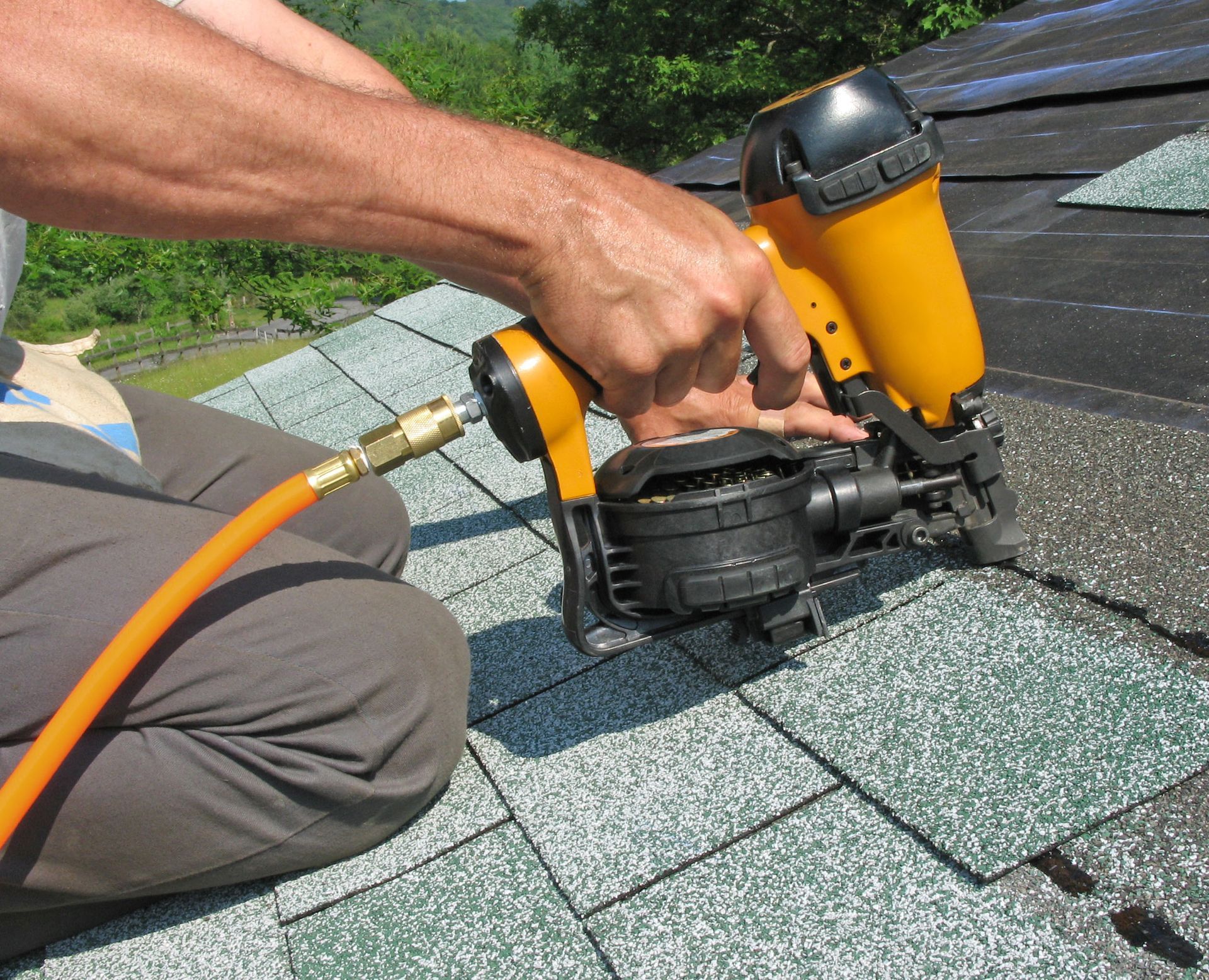
Fastening systems have also evolved to improve durability. Modern methods reduce movement and shifting, which helps maintain structural integrity over time. This is especially important in areas with frequent weather fluctuations.
Increasing Value Through Long-Term Investment Planning
Roofing is not just a functional necessity; it is also a long-term investment. Homeowners who prioritize quality materials and installation often see significant value over time. A well-designed roof can enhance property appeal and improve overall market perception.
Durable roofing systems reduce the need for frequent repairs, which lowers long-term maintenance costs. This makes them a financially sound choice for homeowners planning to stay in their property for many years.
A well-maintained roof also improves resale potential. Buyers are often drawn to homes with strong, reliable roofing systems because they represent fewer immediate expenses and greater structural confidence.
Embracing Sustainable Roofing Solutions For The Future
Sustainability has become an increasingly important factor in modern construction. Roofing systems are now being designed with environmental impact in mind, using materials and methods that reduce waste and improve efficiency.
Cool roofing technologies, green roof systems, and eco-friendly materials are becoming more common in residential applications. These solutions not only benefit the environment but also improve energy efficiency and comfort.
As sustainability continues to influence construction trends, roofing innovation will play a key role in shaping the future of residential design. Homeowners who adopt these solutions early benefit from both environmental and financial advantages.
Innovative roofing ideas are transforming the way homeowners think about durability, efficiency, and long-term value. From advanced materials and energy-efficient designs to improved installation methods and preventive maintenance, modern roofing systems are built to last for decades when properly cared for.
Roof Tech Solutions, LLC is committed to delivering forward-thinking roofing solutions designed to provide lasting protection, enhanced efficiency, and dependable performance for years to come.